
A recent sighting of a leopard in southern Cameroon has provided a boost to wildlife conservation efforts, with the discovery marking the first confirmed sighting of this elusive predator in over 20 years.
A Step Toward Restoring Historic Habitats
Ecologists have long been working to document species thought to have disappeared from their original habitats.
The successful rediscovery of species like lowland gorillas in Equatorial Guinea and Babirusa pigs on Buru Island, Indonesia, has underscored the value of modern conservation methods, such as motion-triggered camera traps.
These devices capture essential images of wildlife, offering crucial insights into animal populations and behaviors.

The African Leopard’s Return
In 2019, researchers installed 19 camera traps across southern Cameroon to study endangered forest elephants.
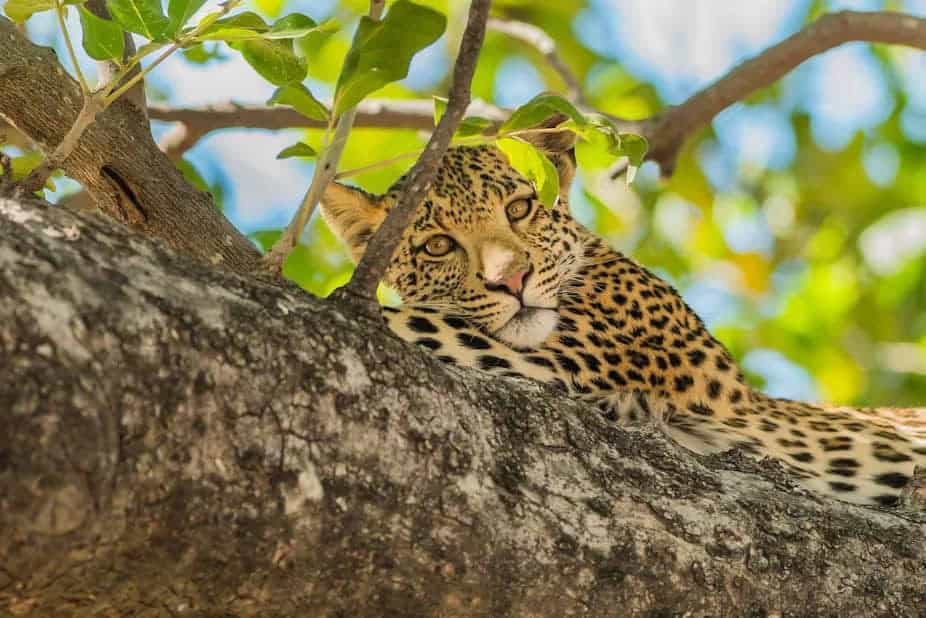
To their surprise, one of the cameras captured a rare image of an adult leopard in the Campo-Ma’an National Park. This marked the first documented leopard sighting in the region in two decades.
Although only one leopard was photographed, this sighting offers hope that the species may still reside in the area, possibly as the apex predator.
Conservation Challenges Facing Leopards
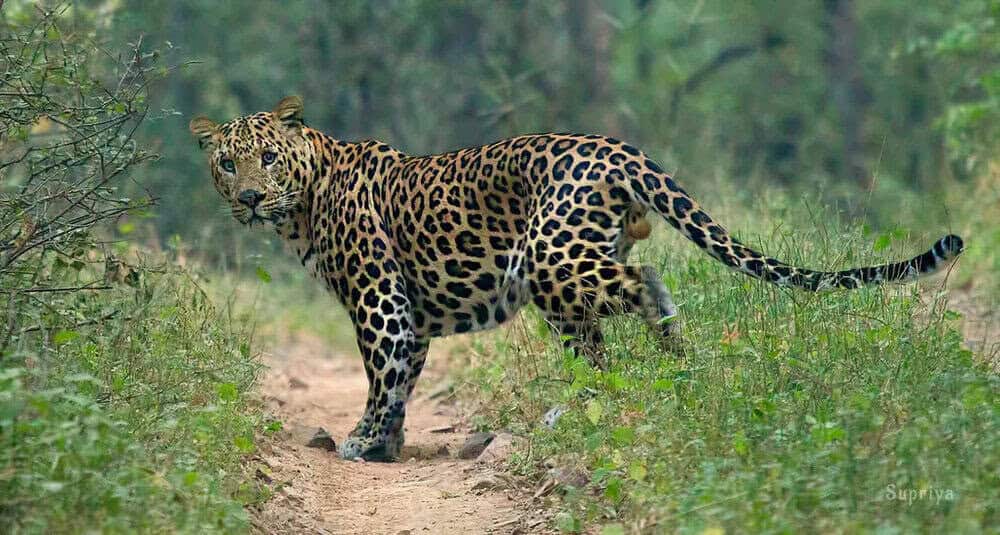
Leopards are adaptable and can thrive in various environments, from savannas to rainforests. However, their populations have been dwindling due to habitat destruction, illegal poaching, and human encroachment.
A 2016 study revealed that the African leopard’s range has been reduced to just 67% of its historical territory, with areas in the Congo Basin, once a stronghold, seeing significant declines in leopard numbers.
Future Conservation in Campo-Ma’an
This recent leopard sighting has sparked renewed conservation efforts in the Campo-Ma’an region. With the backing of local communities and Cameroon’s Ministry of Forestry and Wildlife, researchers plan to expand their camera-trapping project to better understand leopard behavior and habitat preferences.
This information will be essential for shaping future conservation strategies, especially in addressing the rising conflicts between humans and leopards due to increasing settlements and deforestation.
Campo-Ma’an National Park, which spans 2,680 square kilometers, is located in the Congo Basin, the world’s second-largest tropical rainforest.
It is home to various endangered species, such as the western lowland gorilla, forest elephant, and chimpanzee.
However, the park faces significant threats from logging and palm oil plantations, which put immense pressure on the local wildlife.
Researchers stress that continuous monitoring and a long-term conservation plan are vital to safeguarding both leopards and other vulnerable species in the region.
With over 100 human settlements located nearby, maintaining the park’s biodiversity remains a pressing challenge.
Read more Wildlife News.


