
New York City no longer has a live horse-racing track. Aqueduct Racetrack in Queens held its final program on June 28, 2026, ending 132 years of racing at the venue that generations of New Yorkers knew as “the Big A.”
The ninth and last race carried the fitting name “It Was a Good Run” and was scheduled for 5:44 p.m. The farewell closed a major chapter in the city’s sporting history, but it did not end thoroughbred racing in the New York region.
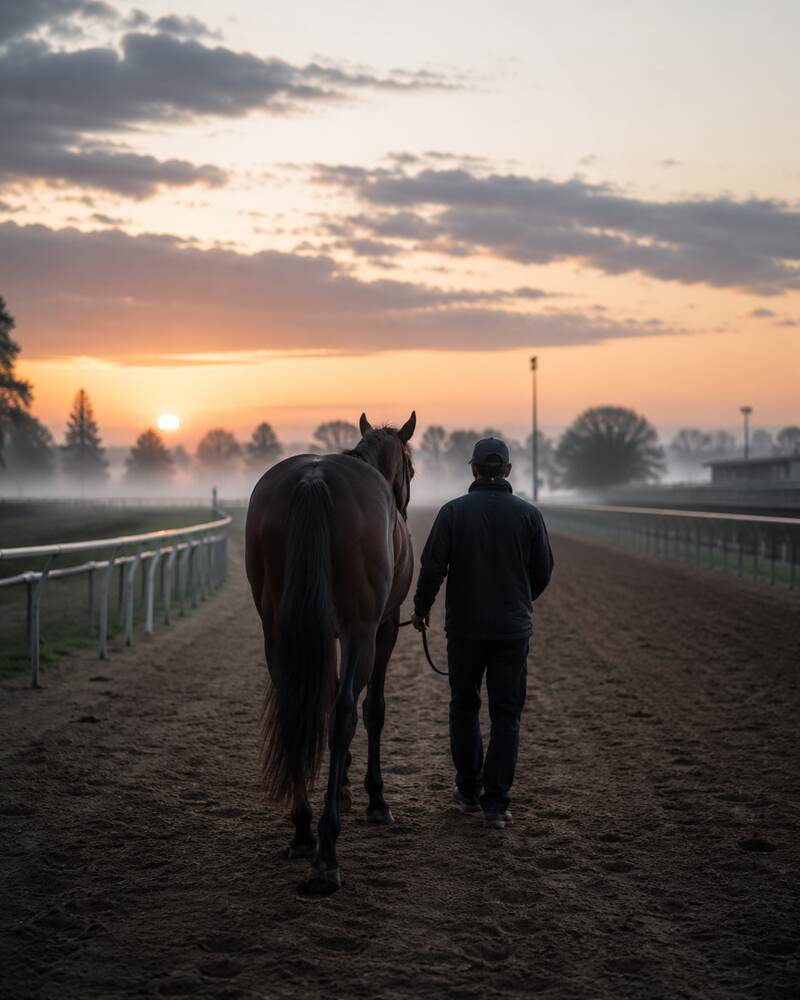
The final race at the Big A
Aqueduct opened in 1894 in what is now South Ozone Park. Over more than a century, the track hosted some of racing’s best-known thoroughbreds and became a familiar gathering place for bettors, workers, trainers and fans.
Its final weekend was presented as a farewell rather than an abrupt shutdown. According to the New York Racing Association, live racing concluded on Sunday, June 28. The facility remained open afterward for simulcast wagering through September 7.
The closure reflects a broader consolidation of New York racing. Competition for gambling revenue has expanded through casinos, online wagering and legal sports betting, while attendance at traditional racetracks has declined from the sport’s mid-century peak.
Most importantly, the horses and racing operation are not being eliminated as a result of an animal-welfare prohibition. Downstate racing is moving to the rebuilt Belmont Park on Long Island, where live racing is scheduled to resume on September 18, 2026. Saratoga Race Course also continues to operate.
What the closure means for horses
Animal-welfare advocates have long raised concerns about the physical demands of racing, catastrophic injuries, medication practices and what happens to thoroughbreds after their racing careers. Aqueduct’s final race gives those questions renewed attention, but the closure itself does not resolve them.
Because racing is being transferred rather than abolished, horses that would have competed at Aqueduct may continue racing at Belmont, Saratoga or other venues. There is no verified basis for suggesting that the closure automatically sends all Aqueduct horses into retirement or sanctuary care.
The meaningful welfare question is therefore broader than one track: what protections, injury-prevention standards, aftercare programs and enforcement will follow the animals as the industry enters its next phase?
A 100-acre site faces a new future
With racing moving to Belmont Park, approximately 100 acres at the state-owned Aqueduct property are being considered for redevelopment. Empire State Development says possible future uses include housing, retail, community facilities and open space.
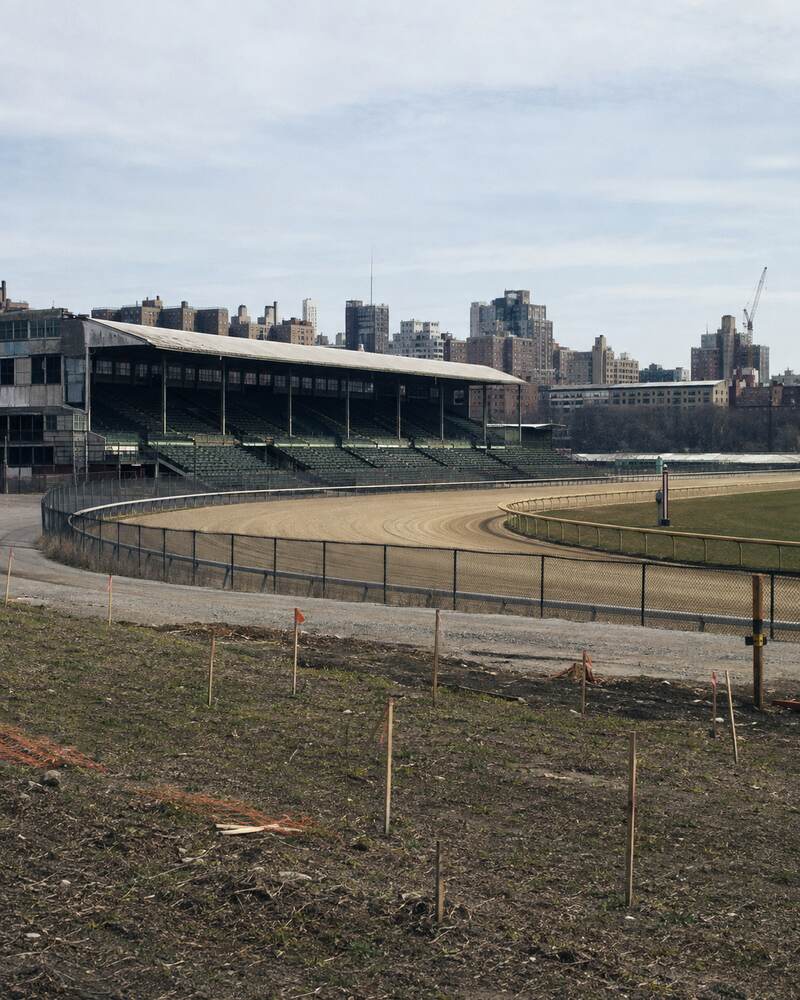
State officials have begun gathering community input, and a master plan is expected in 2027. The size and location of the property make the outcome significant for residents of Queens, not only for racing fans.
Aqueduct’s final day deserves to be understood accurately. It was the end of live horse racing within New York City and the end of a 132-year institution. It was also a transfer of the industry to a newly rebuilt venue—not a complete end to the use of horses for racing.
Sources
- New York Racing Association: Aqueduct closing weekend and final race
- New York Racing Association: Aqueduct live-racing status
- New York Racing Association: Belmont Park reopening information
- Empire State Development: Aqueduct redevelopment project
- Associated Press: Aqueduct’s final stretch
