Cheetahs, the fastest land animals, are facing a significant threat to their survival. Recent estimates show that fewer than 7,000 cheetahs remain in the wild, with numbers continuing to drop sharply.
Experts warn that within the next decade, their population could be reduced by as much as 50%, according to National Geographic.

These iconic cats need expansive territories to live and hunt, but their habitats are disappearing rapidly.
Human activities, particularly land conversion for agriculture, have led to the loss of over 90% of their historic range. This drastic reduction in space is driving cheetah populations to the brink of extinction.
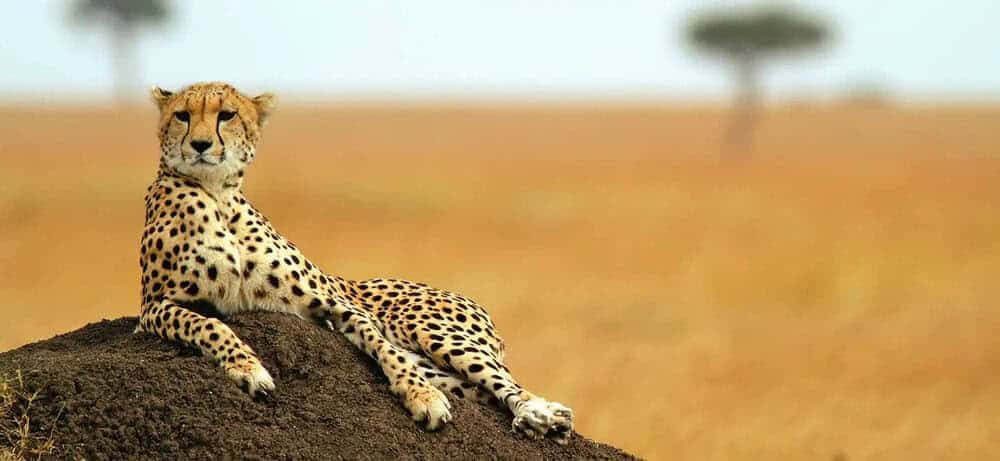
Southern Africa holds the largest portion of the remaining cheetah population, but even here, the situation is dire.
In Zimbabwe, once a stronghold for cheetahs, the population has fallen dramatically from 1,200 to just 150 individuals in less than 20 years. In Asia, the situation is even worse, with only about 50 cheetahs left in the wild.
Research indicates that habitat loss is the leading cause of the cheetah’s decline, with human activities playing a central role.

Additionally, the illegal trade of cheetah cubs further worsens the crisis. A single cub can be sold for up to $10,000 on the black market, according to the Cheetah Conservation Fund.
These findings were published in the Proceedings of the National Academy of Sciences. Dr. Sarah Durant, a researcher at the Zoological Society of London, emphasizes the urgent need to reconsider the cheetah’s conservation status, recommending that they be classified as “endangered” rather than simply “threatened.”
Dr. Durant calls for innovative conservation efforts that go beyond traditional protected areas and involve local communities.

As the cheetah’s future hangs in the balance, conservationists are urging immediate action to prevent their extinction.
Read more Wildlife News.