
A female swan rescued from Canoe Lake in Southsea, England, died after witnesses reported that children had deliberately attacked her during the August 2025 bank holiday weekend.
The account came from Swan Support, the rescue charity called to the Portsmouth lake. Witnesses told the group that children threw sticks and stones at the bird before repeatedly kicking and stamping on her. The swan received veterinary treatment, but Swan Support announced that she died in the early hours of August 26.
Hampshire and Isle of Wight Constabulary told local reporters that two children were reported to have attacked a swan at about 9 p.m. on August 25 and that inquiries were ongoing. The description of the attack therefore remains a reported witness account; no finding of guilt was announced in the sources reviewed for this article.
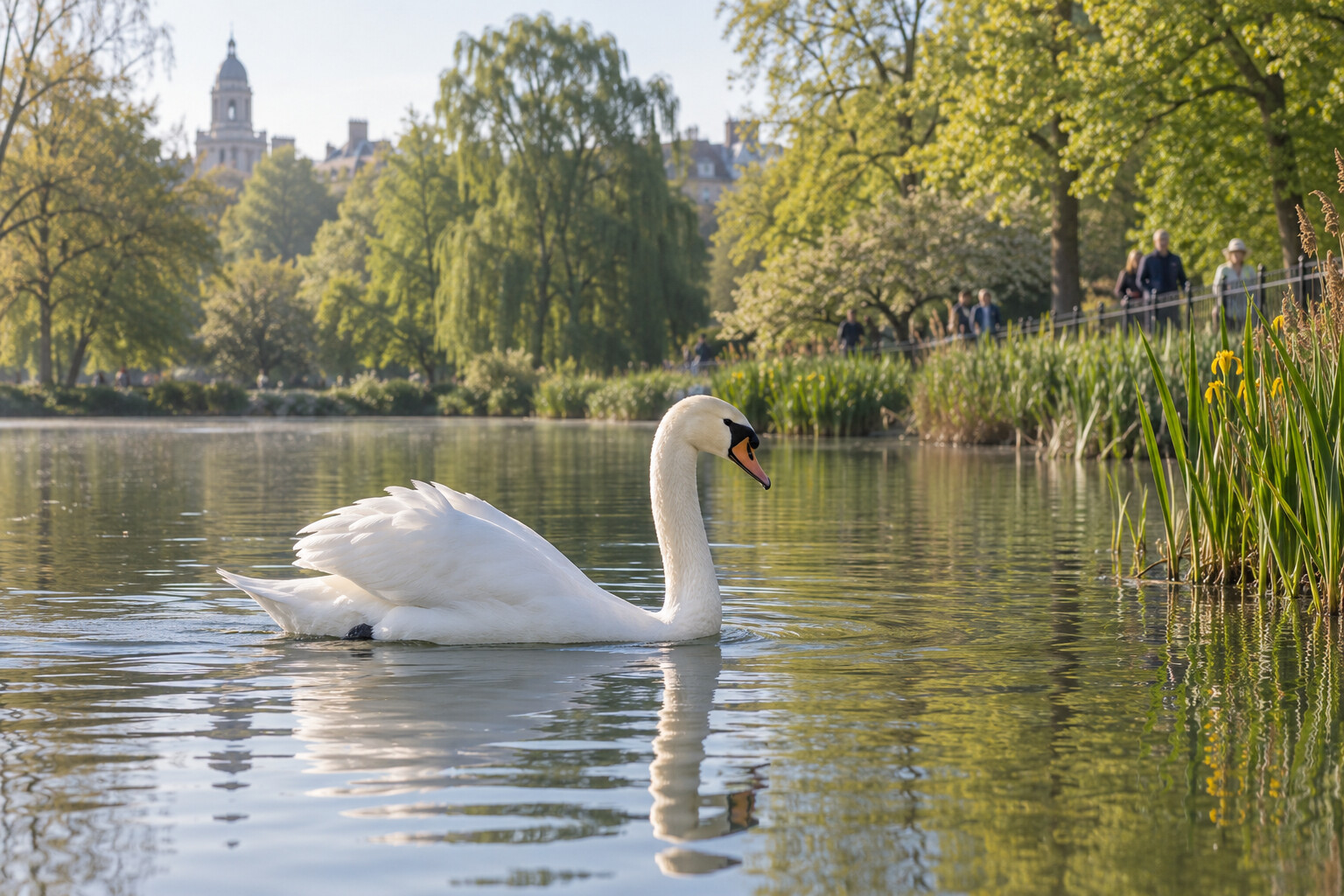
Rescuers tried to save her
Swan Support said the bird was given immediate attention and initially showed a small improvement. That hope did not last. In a later update, the charity said its team had tried everything it could but could not save her.
The loss caused anger far beyond the lake. Local residents started a petition calling for a stronger warden presence around Canoe Lake, better communication with police and clearer warnings about the consequences of harming wildlife. Portsmouth City Council was also reported to have condemned the attack.
The case is especially painful because the animal was reportedly harmed in a public place where people and wildlife regularly meet. Parks can make nature part of daily life, but that closeness also creates responsibility. A bird resting at the water’s edge should not have to treat every visitor as a threat.
Wild birds are protected by law
In England, wild birds have broad protection under the Wildlife and Countryside Act 1981. Section 1 makes it an offence, subject to the Act’s exceptions, to intentionally kill, injure or take a wild bird. A government summary likewise explains that wild birds generally cannot be intentionally killed or injured without lawful authority.
That protection matters, but law enforcement begins with evidence. Anyone witnessing cruelty should avoid putting themselves in danger, record useful details when it is safe, contact police if an offence is happening and alert an experienced wildlife rescue organization so the animal can receive prompt care.
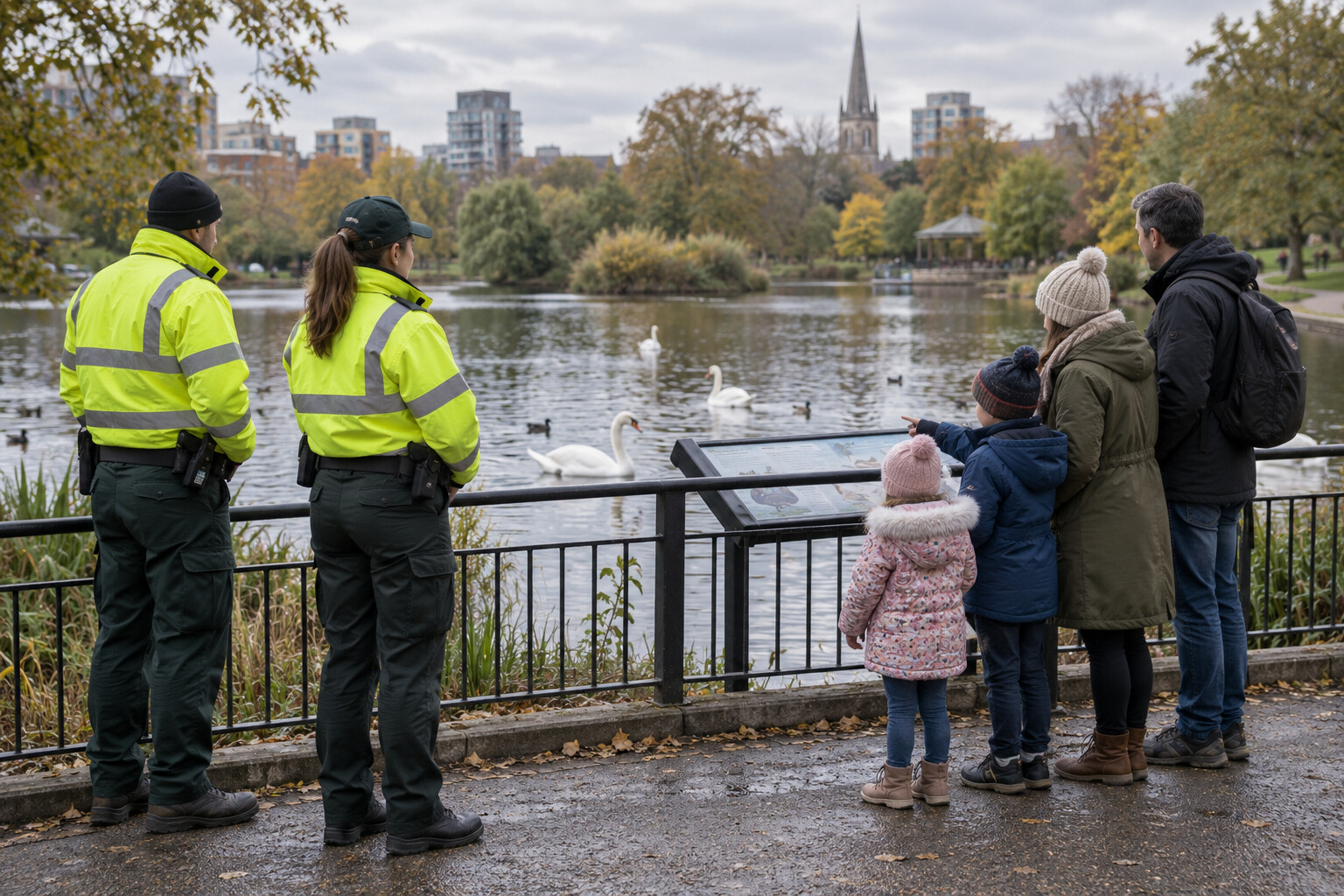
Kindness to wildlife has to be taught
It is fair to demand accountability while resisting language that condemns every child or young person. Cruel behavior should never be minimized as harmless mischief, but prevention also requires adults to model empathy, supervise children and intervene safely when an animal is being tormented.
Schools, families and communities can teach a simple rule: wild animals are living beings, not toys or targets. Watch from a respectful distance. Do not chase, strike, grab or frighten them. Report an injured bird rather than trying to handle it without guidance.
The swan at Canoe Lake survived long enough to reach rescuers, but not long enough to return to the water. Her death should be remembered without turning unproven details into certainty. What is verified is already devastating: a protected wild bird died after a reported deliberate attack, and the people who tried to save her said she deserved a kinder world.
Sources
- The Telegraph: Swan reportedly attacked at Canoe Lake
- Swan Support: rescue organization information
- Community petition preserving Swan Support’s incident updates and local coverage links
- Wildlife and Countryside Act 1981, Section 1
- UK government guidance on legal protection for wild birds
